

Case Study: Lyra Health Digital Lessons
Bringing Evidence-Based Therapy to Life Through Storytelling
Feature 1
For the past seven years, Most West has partnered with Lyra Health to build one of the industry's most extensive libraries of animated mental health education. Together, we've produced more than 100 digital lessons that translate evidence-based therapeutic techniques into memorable, character-driven stories that help people build practical skills for everyday life.
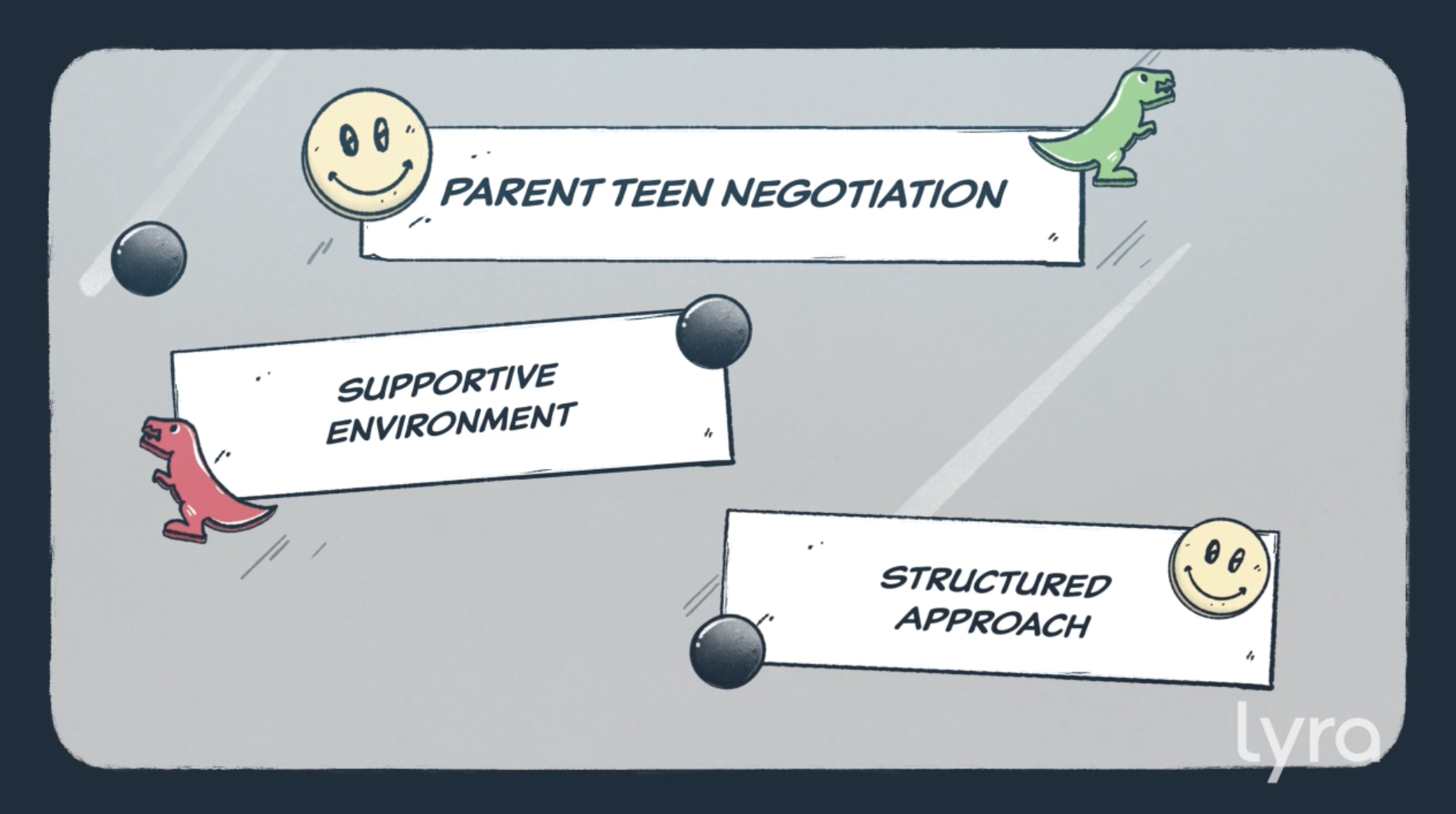
What began as a series focused on depression and anxiety has grown alongside Lyra's expanding digital care platform. Today, the library includes lessons covering ADHD, trauma, substance use, relationship skills, parenting, and other major life challenges.
As Lyra has grown into one of the leading providers of workforce mental health care, serving many of the world's most recognized employers, the educational program has continued to evolve, reaching an ever-growing audience through self-guided digital lessons.
Feature 2
The Challenge
Teaching Cognitive Behavioral Therapy (CBT) through video presents a unique creative challenge. The material must remain clinically accurate while also being engaging enough that viewers stay with it, absorb it, and remember it.
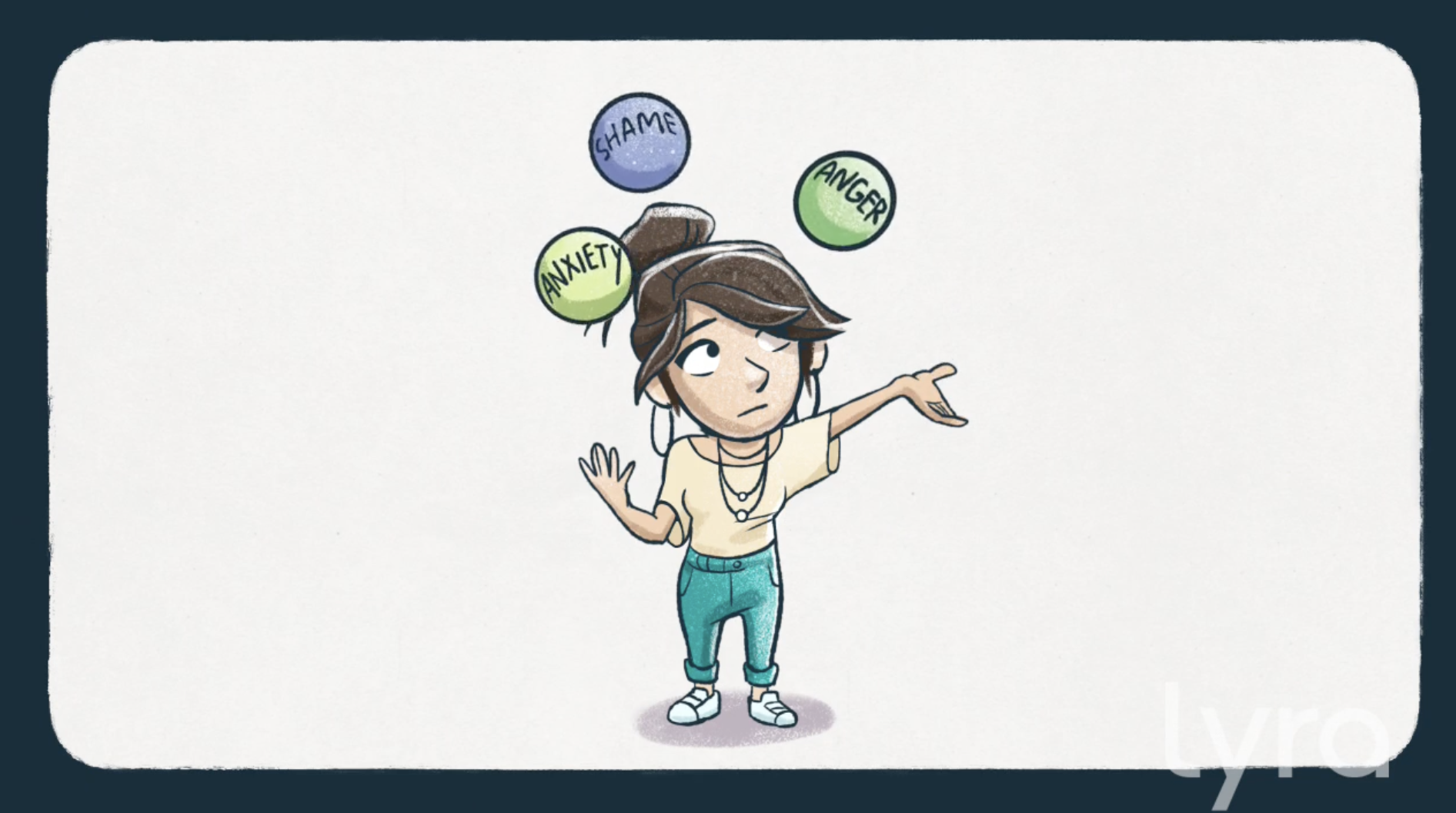
From the beginning, we knew we didn't want to create animated lectures. Working closely with Lyra's clinical team, we built a storytelling approach using relatable characters and authentic life experiences to bring evidence-based therapeutic concepts to life. Every lesson was designed to help viewers recognize themselves in the story before introducing practical tools they could immediately apply. Simply put: tell stories people will remember.

Feature 2
The Challenge
Teaching Cognitive Behavioral Therapy (CBT) through video presents a unique creative challenge. The material must remain clinically accurate while also being engaging enough that viewers stay with it, absorb it, and remember it.
Feature 3
The Creative Approach
To support a library that would continue growing for years, we needed a production system that could scale without sacrificing quality.
Together with Lyra, we developed a visual style inspired by a graphic novel brought to life.
Expressive illustrations drive each lesson, while animation is used intentionally and sparingly—only when movement adds emotional impact, clarifies a concept, or reinforces a key learning moment. The result is a handcrafted visual style that remains emotionally engaging while allowing the series to be produced efficiently at scale.
Voice casting was equally important. We invested significant time finding actors who could bring warmth, vulnerability, humor, and authenticity to each character, transforming illustrated figures into people viewers could genuinely connect with.
The combination of thoughtful storytelling, expressive illustration, purposeful animation, and authentic performances created a production model that has remained consistent across more than 100 lessons while continuing to evolve for new topics and audiences.Our Role
Most West serves as Lyra Health's creative production partner across the series, providing end-to-end creative and production services, including:
Creative Direction
Project Management
Art Direction
Script Collaboration
Clinical Collaboration
Character Development
Casting & Voice Direction
Storyboarding
Illustration
Animation
Editorial
Sound Design & Final Mix
Results
The series has become one of the cornerstones of Lyra's digital learning experience.
100+ animated lessons produced
Hundreds of minutes of educational content
85% average watch-through rate on approximately eight-minute lessons
Expanded from depression and anxiety into ADHD, trauma, substance use, relationship skills, parenting, and other mental health topics
Continues to grow through a seven-year creative partnership
The success of the series demonstrates that educational content doesn't have to feel educational. By combining evidence-based clinical guidance with compelling storytelling, expressive design, and authentic performances, we created a library that helps people not only understand therapeutic concepts—but remember them when they need them most.